
Runners: Train Your Gut Like You Train Your Legs
If you’ve ever dealt with stomach cramps, bloating, nausea, or an urgent bathroom stop mid-run, you’re not alone. Gut issues are one of the most common (and frustrating) challenges runners face, especially during long runs and races.
The good news? Your gut is trainable.
Just like your muscles, tendons, and cardiovascular system, your digestive system can adapt to handle fuel more efficiently, you just have to train it intentionally.

What does “gut training” mean?
Gut training is the practice of teaching your body to tolerate and absorb fuel while running. This helps reduce GI distress and improves energy availability when you need it most.
In other words: it’s how you learn to fuel without your stomach fighting back.
Why gut health matters:
- Helps prevent nausea, cramps, and GI distress
- Improves carbohydrate absorption during long efforts
- Supports steadier energy and fewer bonks
- Builds confidence for race day fueling
- Makes fueling feel automatic instead of stressful
How to start training your gut:
1. Practice fueling on training runs
Don’t wait for race day. Use long runs and key workouts to practice the same fueling strategy you’ll race with.
2. Start small and build gradually
Begin with small amounts of carbs and fluids, then slowly increase. Your gut adapts over time; rushing it often leads to discomfort.
3. Be consistent
Fueling once in a while won’t train your gut. Regular exposure helps your digestive system learn what to expect.
4. Match fuel to intensity
Higher effort = harder digestion. Practice fueling at different intensities so your gut can adapt across paces.
5. Hydration matters
Dehydration slows digestion. Adequate fluids help your gut absorb carbohydrates more efficiently.
Best Gut Friendly Fuel:
1. Simple glucose/carb sources: sports drinks with glucose/maltodextrin; aim for 30-60g carbs/hour (can go higher for longer/fast workouts).
2. Low-residue energy gels: take with 4–8 oz (120–240 mL) water to help absorption & reduce bloat; Maurten Gel 100, Huma Energy Gel, SIS Go.
3. Real food that digests easy: banana (ripe), low fiber, quick sugars, white bread/honey sandwich, salted pretzels (quick carbs + sodium).
4. Liquid fuel blends: carb drinks (maltodextrin, glucose).
5. Low fiber, low fat bars (if tolerated): best for runs <90 minutes if you can handle food; white rice, or honey & simple grain bars
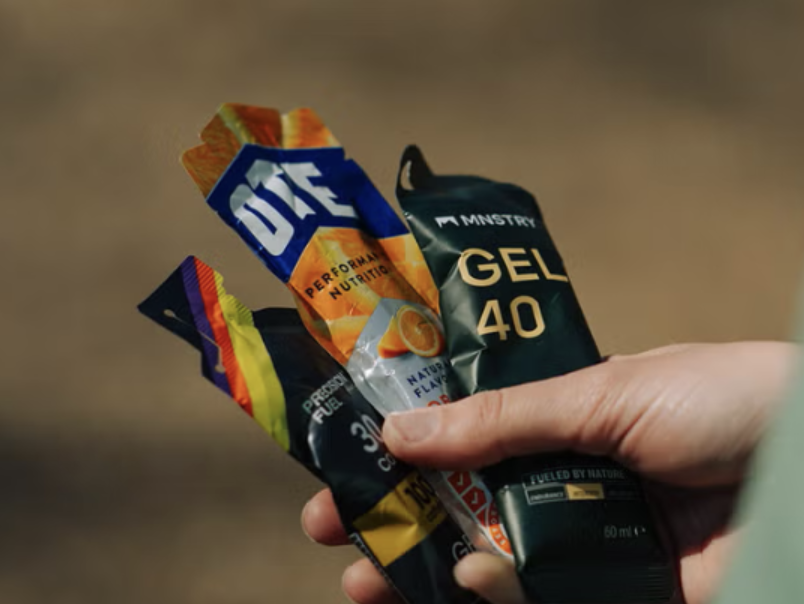
A reminder for runners:
Gut issues aren’t a sign of weakness or “doing it wrong.” They’re feedback, and feedback is something we can work with. Training your gut is part of training smart, staying consistent, and setting yourself up for stronger, more confident runs.
Inside Movement & Miles, we take a holistic approach to training, combining strength, mobility, nutrition, and education so you’re prepared from the inside out.
